
Beyond Compliance: Advancing Accessible Design in Transit Facilities and the Public Right-of-Way
Ended Feb 11, 2026
Sorry! The enrollment period is currently closed. Please check back soon.
Full course description
Beyond Compliance: Advancing Accessible Design in Transit Facilities and the Public Right-of-Way
Instructor: Tom Hewitt, AICP
When: Feb 11th, 9am - 4pm
Where: In-Person - 2312 W Casino Road Everett, WA 98204, Cascade Administration Building
Cost: $300
Description:
This course offers a comprehensive overview of ADA Title II regulations, Section 504 requirements, Universal Design principles, and accessibility best practices as they apply to transit and pedestrian facilities in the public right-of-way. Through historical context and insights from individuals with lived experience, participants will learn how planning and design decisions impact pedestrian mobility—especially for people with disabilities. The course examines the legal, policy, and technical frameworks that shape accessible infrastructure, including the 2010 ADA Standards and the 2023 Public Right-of-Way Accessibility Guidelines (PROWAG).
Drawing on national, regional, and local examples, the course emphasizes equity-driven planning and practical implementation strategies for designing, constructing, and maintaining accessible facilities, including curb ramps, sidewalks, crossings, pedestrian signals, transit stops, parking, and loading zones. Through case studies and hands-on exercises, participants will learn to evaluate needs, prioritize improvements, and move beyond minimum compliance to deliver high-quality, cost-effective, and user-centered design outcomes. By the end of the session, attendees will be prepared to integrate ADA and Universal Design principles into project development, prioritization, and long-term transition planning.
Learning Outcomes:
By the end of the workshop, participants will be able to:
- Understand and apply ADA Title II requirements, ADA Standards, Public Right-of-Way Accessible Guidelines (PROWAG), and Universal Design principles to pedestrian and transit facility project development, design, construction, operations, and maintenance.
- Learn how planning and design decisions affect people with disabilities through real-world examples and lived experiences.
- Apply best practices for evaluating, designing, retrofitting, and maintaining accessible pedestrian infrastructure that go beyond minimum compliance requirements.
- Develop equity-driven and community-backed strategies to improve safety, usability, and user experience.
- Integrate accessibility principles into policy development, project prioritization, and long-term transition planning.
Instructor Bio:
Tom Hewitt
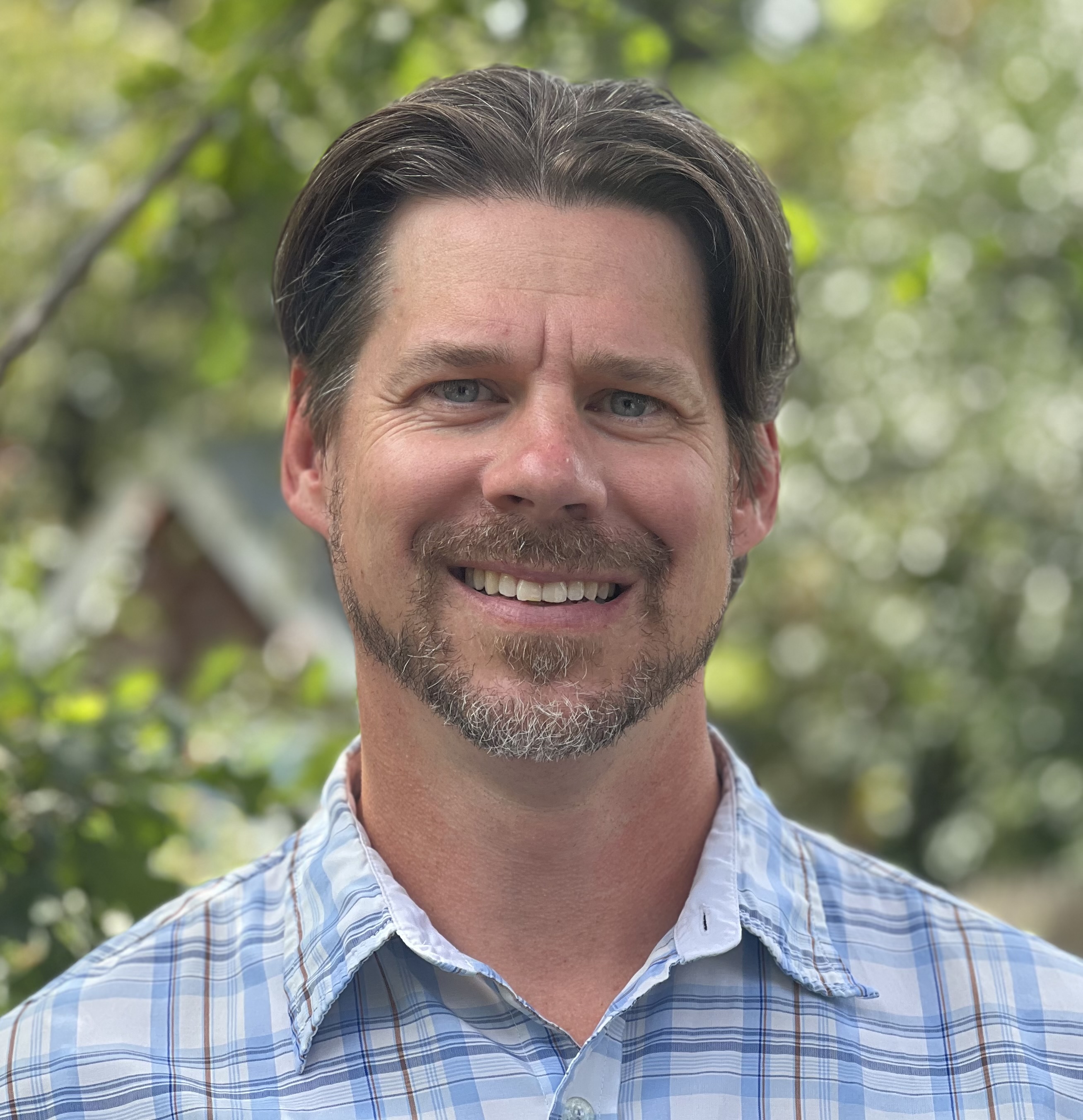
With nearly 20 years of professional experience, Thomas (Tom) Hewitt has grounded his work in accessible transportation projects that connect people of all ages and abilities to the places they want to go, whether by transit, bike, or walking and rolling.
In 2021, Hewitt joined the Seattle Department of Transportation, where he currently leads all aspects of Americans with Disabilities Act (ADA) compliance as the ADA Coordinator and Program Manager. He previously served as Director of Service Development for the Maryland Transit Administration (MTA) where he oversaw service planning, scheduling, and bus stop capital improvements, focusing on improving accessibility for transit riders in the Baltimore region. In 2019, Hewitt received a Top 40 Under 40 award from Mass Transit Magazine for his contribution to the MTA’s BaltimoreLink bus network redesign and service analysis process, as well as the publishing of MTA’s Bus Stop Design Guide.
Hewitt holds a Master of City and Regional Planning, as well as a double major in Criminology and Sociology with a minor in Geographic Information Systems (GIS), from the Ohio State University, and is a member of the American Institute of Certified Planners (AICP).
Away from work, Hewitt enjoys gardening, playing ice hockey, biking around the city and surrounding mountains, and coaching his ten-year-old triplet sons’ flag football and soccer teams.
For questions about this course please contact us: 📧 wdi-help@uw.edu.